“And yet: we are surrounded by literature which is not original and which is successful, enjoyed, and persistent.
This literature is described as flawed, insufficient, not morally improving nor useful to the scholar; self-indulgent, archaizing, written by un-scholarly or un-imaginative persons, or worse yet, by members of marginalized groups; literature which is full of tropes, of expected emotional beats, of Happy-For-Ever endings; literature written using someone else’s characters, for no monetary gain, merely social pleasure and social currency. Literature which insists on being unavoidably present: produced by both the most-educated and the least-privileged—and unequivocally enjoyed (and reproduced, traded, invoked) by both these groups?
You think I’m talking about transformative fanwork here. And I am. But I’m also talking about Byzantine literature from the 9th-12th centuries. What’s interesting is how similar the problems are in evaluating whether some piece of writing is good if we use the criteria of originality to make that determination … both for Byzantine literature and for modern transformative works.”

[Via]

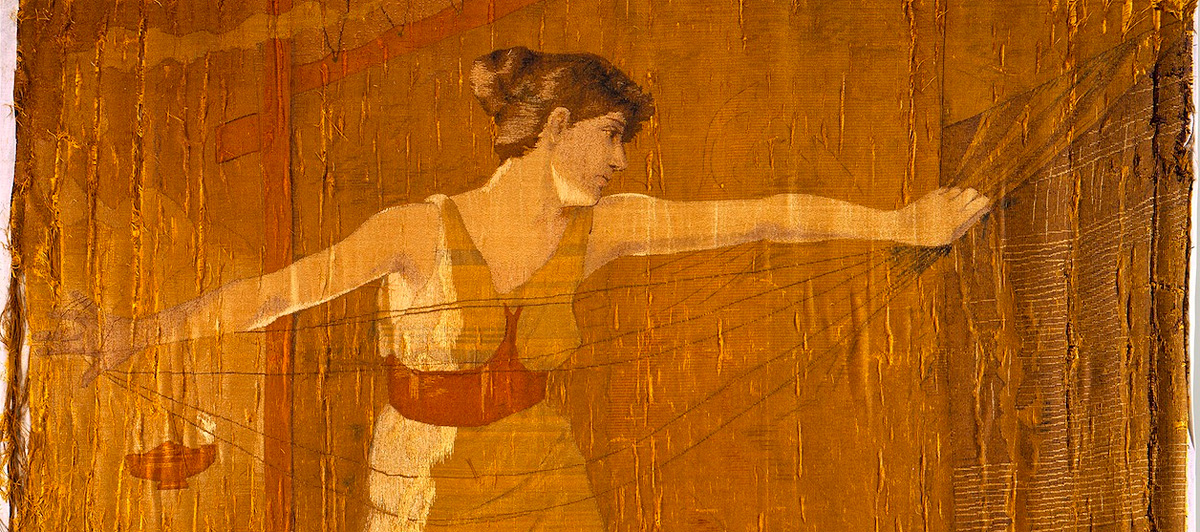 Homer is of course no feminist. Penelope’s cunning intelligence offers her a means of resisting her suitors, but it also makes her a good match for her husband’s own mental agility. She complements rather than challenges him. The dangerous potential of her craft is neutralized by her use of it to reinforce Odysseus’s patriarchal authority. Odysseus in fact remains skeptical of his wife as he cautiously reintegrates himself into his house. His beggar’s disguise allows him to put her through a series of tests; only when he is certain no other man has been in his bed does he finally reveal himself to her. Even in faithful Penelope there is the lurking danger that she may outcraft him.
 But of course the affairs male gods have with mortal women are often best described as rape, a term that likewise fits Calypso’s sexual domination of Odysseus as she replicates the very system with which she finds fault.
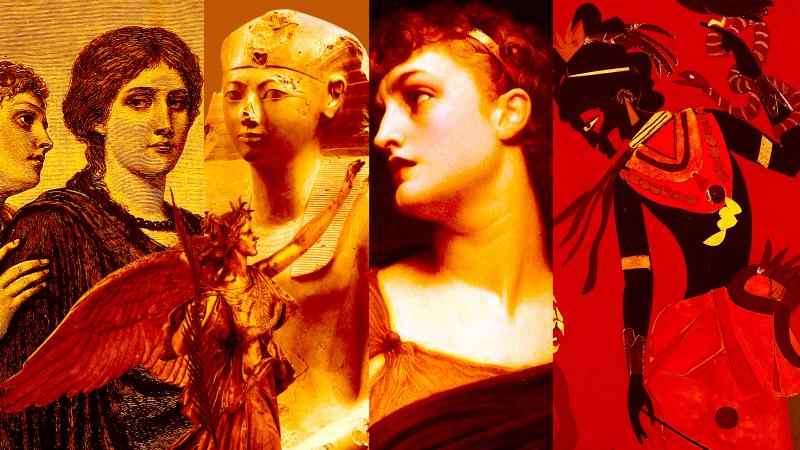 “I think women are held to the impossible standard of having to be perfect, not being allowed to make mistakes,” Miller said of her giving more voice to the inner life of Circe. “The ancient Greek heroes made horrendous mistakes all the time — Odysseus and Achilles are full of flaws, as much as they’re full of virtues and strengths. So I wanted Circe to make mistakes, and be flawed, and to not have the answers. Women should be allowed to be just as messy and complicated as the male heroes have been by right for centuries.”