That time they redid Florence + the Machine’s video to match Eat Pray Love’s cultural appropriation. 2010.


From clowns to…India?
[a website for the Editor and Narrator of the Circo del Herrero series]
That time they redid Florence + the Machine’s video to match Eat Pray Love’s cultural appropriation. 2010.
From clowns to…India?
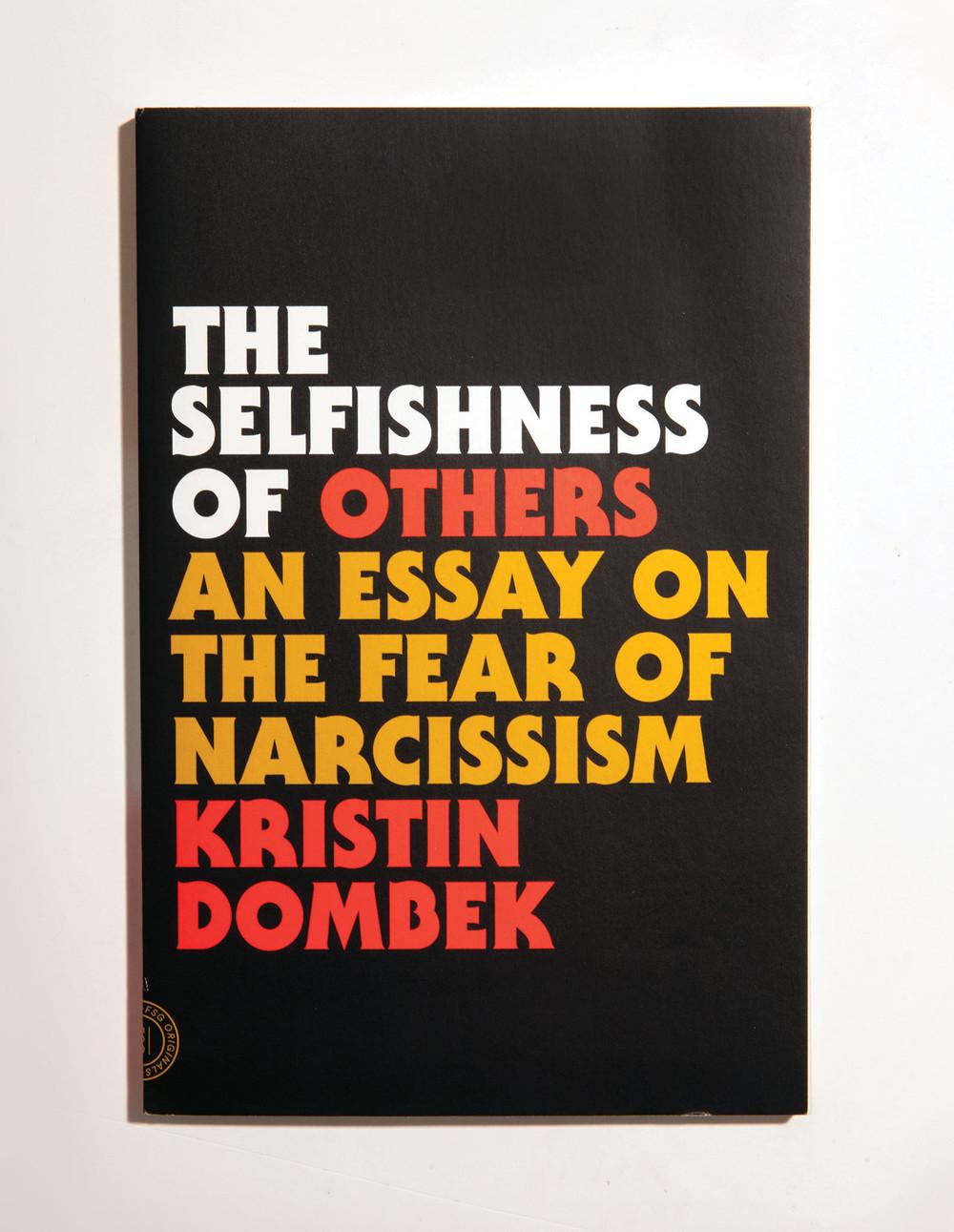 ‘Ultimately, she’s not so much scrutinizing each type of narcissist as she is analyzing the supposedly non-narcissistic person’s interest in them. At the center of this essay is Dombek’s exploration of the “healthy” person’s relationship with the narcissist: our fear of him and our belief that our moment may be particularly marked by narcissism. The driving force of The Selfishness of Othersis the way in which Dombek carefully dissects the anatomy of this particular moral panic. Fear, after all, is necessarily just as much about the terrified as the terrorizing. In her gorgeous, sinuous writing, where each sentence complicates itself, sometimes suggesting its own antithesis, she questions the notion that the fear of the pathological narcissist and narcissism itself are so different at all. We “live in a time so rampant with narcissisms,” she writes, “so flush with false selves masquerading as real selves… a time so full of contagious emptiness, that ours is a moment in history that is, more than any other, absolutely exceptional.” The joke is simple, and characteristic of the mordant irony laced throughout the book: To say that we live in a uniquely narcissistic time is itself an act of narcissism.’
[Via]
[“BLA and GB Gabbler” (really just a pen name – singular) are the Editor and Narrator behind THE AUTOMATION, vol. 1 of the Circo del Herrero series. They are on facebook, twitter, tumblr, goodreads, and Vulcan’s shit list.]
“It is great men, potential saints, not little men, who become merciless fanatics. Those who are readiest to die for a cause may easily become those who are readiest to kill for it. One sees the same principle at work in a field (comparatively) so unimportant as literary criticism; the most brutal work, the most rankling hatred of all other critics and of nearly all authors, may come from the most honest and disinterested critic, the man who cares most passionately and selflessly about literature. The higher the stakes, the greater the temptation to lose your temper over the game…Of all bad men religious bad men are the worst. Of all created beings the wickedest is one who originally stood in the immediate presence of God.” – C.S. Lewis, “The Cursings” in Reflections on the Psalms.